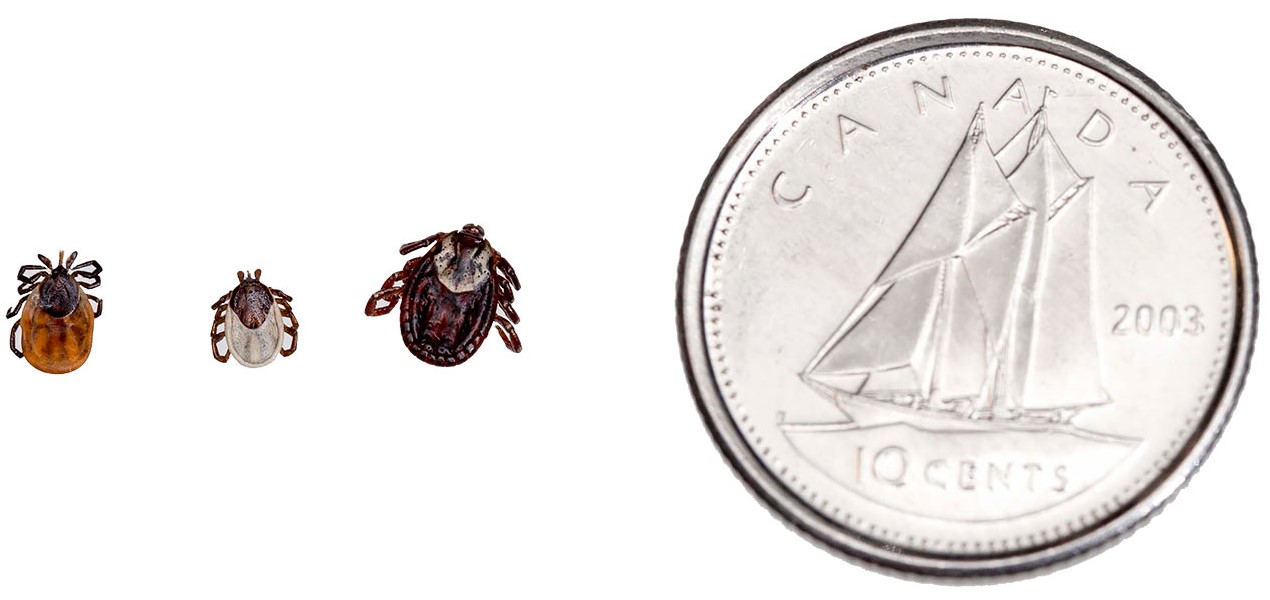
As the weather warms up, more Nova Scotians are heading outside to enjoy nature. But with outdoor fun comes the need to be alert—ticks are active from early spring through late fall, especially in wooded or grassy areas.
Some ticks in Nova Scotia can carry Lyme disease, a serious illness that can have long-term health effects if left untreated. The best way to protect yourself is to take simple, effective precautions: wear light-coloured clothing, tuck pants into socks, use insect repellent with DEET or Icaridin, and check your body and clothing for ticks after being outdoors.
If you find a tick, remove it promptly with tweezers and monitor for symptoms such as a bullseye rash, fever, or joint pain. Early treatment is key.
Pets are also at risk, so talk to your veterinarian about tick prevention for animals.
For more information on how to prevent tick bites and what to do if you’re bitten, visit the province’s tick safety page.
Stay safe, stay active—and stay tick aware.